Understanding the Importance of Soil Stabilization in Construction Jun 09, 2026
To put it simply, soil stabilization involves the alteration of soil properties to enhance its strength and durability. When a construction project is underway, ensuring that the soil can adequately bear the weight of the structure is crucial. Whether it’s for a residential building, a commercial property, or infrastructure like roads and bridges, stabilized soil forms the critical support system that prevents structural failures down the line.
One might wonder why natural soil can’t always provide adequate support. The truth is, numerous factors affect soil viability, including its type, moisture content, and inherent compaction. Some soils are inherently unstable due to their composition, such as clay, which tends to expand and contract with moisture changes, or sandy soil, which may not compact well without moisture. Inadequate soil can lead to serious issues like shifts in the foundation, uneven settling, or even complete structural failure.
Soil stabilization addresses these challenges by employing techniques that enhance soil strength and stability. Methods such as mechanical stabilization involve physically compacting the soil, while chemical stabilization uses additives like lime, cement, or fly ash to bind the particles together, reducing expansion and increasing load-bearing capacity. Each method is chosen based on the specific qualities of the soil and the requirements of the particular project.
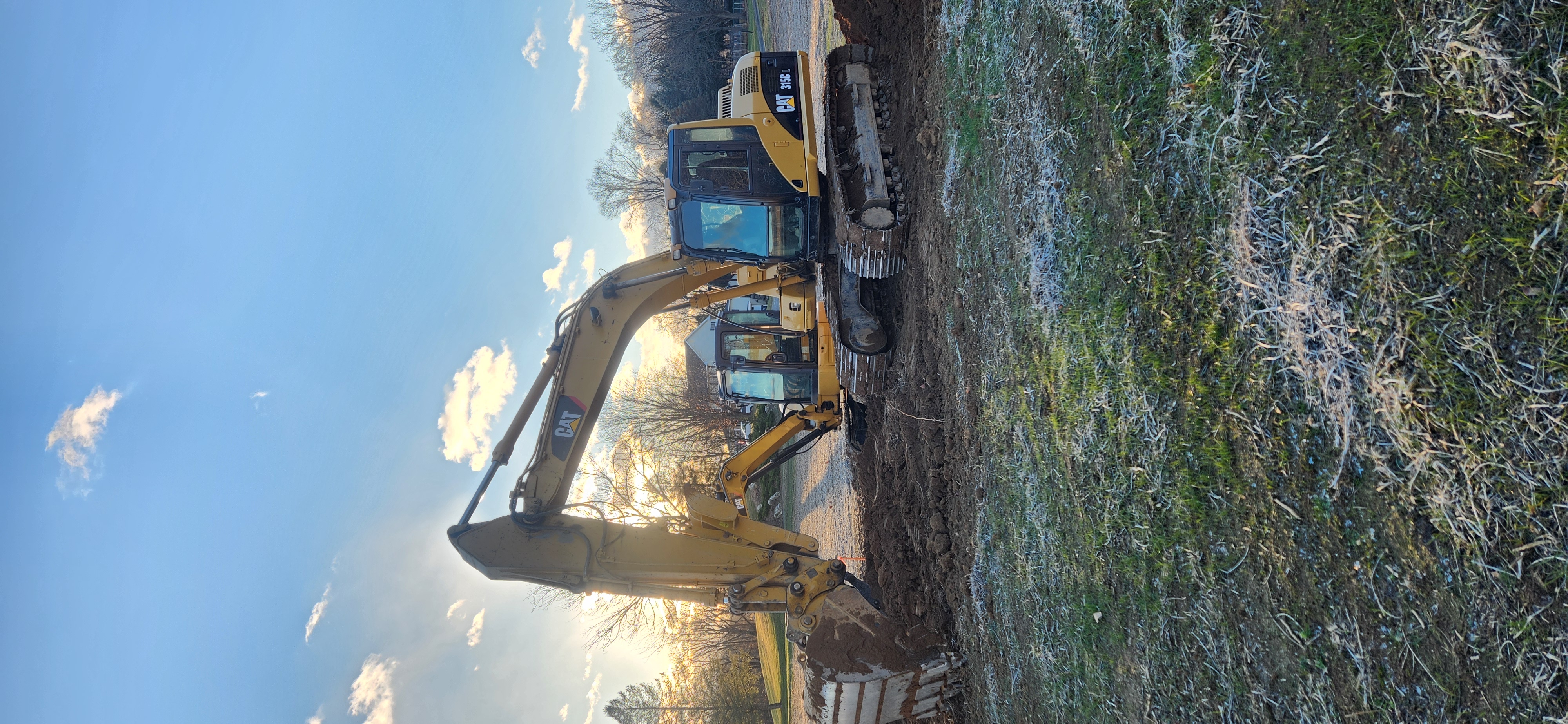
For Noreast Excavating, ensuring that the stabilization process is efficient and effective involves meticulous planning and execution. Our team conducts thorough soil analyses to understand the unique characteristics and challenges of each site. This data-driven approach allows us to select the most appropriate stabilization method, be it mechanical, chemical, or a combination of both, ensuring that the site is prepared for the next phases of construction.
Moreover, investing in proper soil stabilization can lead to significant cost savings over the lifetime of a structure. By preventing structural issues that can arise from unstable soil, such as cracks and other foundation problems, property owners can avoid costly repairs and even potential safety hazards. In addition, stabilized soil can improve the serviceability of roads, reducing maintenance requirements and prolonging usable life.
Beyond the foundational benefits, soil stabilization is also increasingly recognized for its environmental contributions. Techniques like chemical stabilization often employ recycled materials, thereby reducing waste and making the process more sustainable. Furthermore, by providing proper ground support from the start, fewer resources are needed for repairs, contributing to an overall reduction in construction's environmental footprint.
In conclusion, soil stabilization is more than just an initial step in construction; it is a crucial component that impacts the longevity and safety of structures. At Noreast Excavating, we are committed to providing excavation services with a focus on strong, reliable, and sustainable practices. Understanding and implementing effective soil stabilization allows us to deliver quality results for our clients. If you are planning a construction project, consider the foundation you are building upon, and ensure that soil stabilization is part of your strategy for success.
/filters:no_upscale()/filters:format(webp)/media/b1c79b30-9f8e-4578-8a3a-f58db286371c.jpeg)
/filters:no_upscale()/filters:format(webp)/media/1aed7f1c-0c4d-48fd-8563-53a3e5c36d56.jpeg)